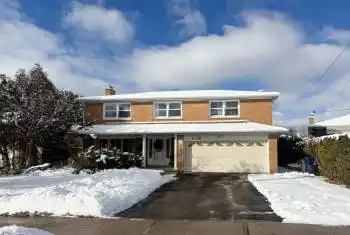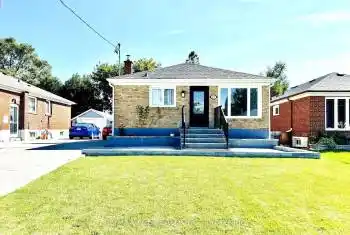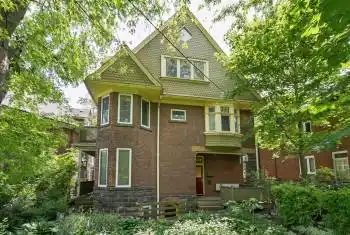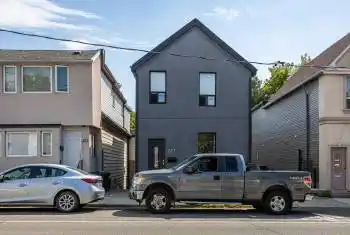
Looking to Sell Your Toronto House? Here’s Your Comprehensive Guide

Selling your home can feel overwhelming, but with the right information and tools, you can navigate the process confidently. This guide will provide you with everything you need to know to sell your Toronto house effectively.

Deciding When to Sell Your House

Timing Matters
When is the best time to sell your house in Toronto? Real estate activity in Toronto fluctuates seasonally. Historically, December, January, and August are slower months. The ideal times to list are February, March, April, and September, when buyer activity peaks and competition from other sellers is preparing for the “spring” or “fall” markets.

Neighborhood Competition
Evaluate the current market in your neighborhood. If similar homes are abundant, expect fewer showings and lower offers. Conversely, if your home is unique in its features—like being the only renovated three-bedroom house with a garage—expect more interest and potentially higher offers.

Market Trends
Stay informed about the broader real estate market, including interest rates and consumer confidence, which influence pricing trends.

Personal Considerations
Your timing may also be influenced by personal factors such as relocating, already having purchased a new home, or major life events like a new baby, a wedding, or a divorce.

Hiring a REALTOR

Choosing the right real estate agent can significantly impact your selling experience and results. Here are key factors to consider:

  1. Experience with Houses: Ensure the agent has specific experience with selling houses, as it differs from selling condos.
  2. Listing Expertise: Ask how many homes they have successfully listed. In 2023, 69% of Toronto REALTORS didn’t successfully list a single home.
  3. Neighborhood Familiarity: The agent should know the local area well and be able to sell not just your house, but your neighborhood.
  4. Service Offerings: Some agents include additional services like professional cleaning, staging, HDR photos, and 3-D tours in their commission.
  5. Marketing Skills: Effective marketing goes beyond MLS listings. Ensure your agent can reach potential buyers online and through social media.
  6. Pricing and Negotiation Skills: These advanced skills are crucial for achieving the best price and a quick sale.
  7. Communication: Opt for an agent who communicates effectively and is responsive.

Remember, real estate services range widely in cost and scope. Decide what level of service you need and are willing to pay for, and choose your REALTOR accordingly.

Costs to Sell

Home Preparation: Costs vary based on the extent of repairs and upgrades.

Staging: Costs range from $0 to $10,000+, often covered by the seller, though some agents offer this service.

Home Inspection: A pre-listing home inspection, costing $400-$600, can preemptively address issues and give buyers confidence.

Real Estate Commission: Typically the largest expense, commissions in Toronto range from 1-6% and depend on the agent’s experience and services offered.

Legal Fees: Expect to pay $1,200-$2,000 for legal services.

Mortgage Penalty: If you sell during the mortgage period, you might incur penalties ranging from $0 to $10,000+. Check with your lender for specifics.

Other Costs: Include outstanding property taxes, utilities, and possibly boarding for pets during showings.

Getting Your House Ready to Sell & Staging

Gather Relevant Information: Provide your REALTOR with hydro, gas, and property tax bills, rental agreements (e.g., hot water tank), and details of any renovations.

Home Preparation Tips:

  1. Declutter: Make spaces appear larger by removing personal items and excess furniture.
  2. Fix Minor Issues: Repair scratches, leaks, and other small problems.
  3. Optimize Room Use: Stage each room for its intended purpose.
  4. Clean Thoroughly: Ensure everything sparkles, including hidden areas like closets and cupboards.

Consider updating light fixtures, painting, and making minor upgrades. Consult your REALTOR to determine the cost-effectiveness of these changes.

Special Considerations for Houses:

Professional Staging

Professional staging can significantly increase your home’s appeal and sale price. Staged homes often sell faster and for more money.

Pricing

Setting the right price is crucial. Your REALTOR will help you decide between pricing for a bidding war, pricing high with room to negotiate, or pricing at market value. Buyers will consider:

Be realistic about your home’s value. Overpriced homes often stay on the market longer and sell for less.

On the Market

Marketing Your Home:

  1. Stunning Photography: Professional photos are essential to attract buyers online.
  2. Targeted Marketing: Identify and reach potential buyers through digital channels and social media.
  3. For Sale Signs: Traditional, yet effective for attracting local buyers.
  4. Open Houses: A great way to showcase your home to interested buyers.

Our team excels in marketing, ensuring your home gets maximum exposure.

Showings:

Special Considerations for Tenanted Houses: Provide tenants with 24 hours’ notice for showings and ensure their cooperation.

Offers

When offers come in, be prepared for different conditions, such as financing and home inspection contingencies. In a bidding war, offers are typically “firm” without conditions. Your agent will guide you through the negotiation process to achieve the best outcome.

Closing

As closing day approaches, ensure you:

Once the property transfers, your lawyer will distribute the funds, less any fees and commissions.

Selling your Toronto home doesn’t have to be stressful. With the right preparation, an experienced REALTOR, and effective marketing, you can achieve a successful and profitable sale. Ready to get started? Contact us today!

Discover Affordable Living: Condos for Rent in Toronto Under $1800

Searching for a stylish, budget-friendly rental in Toronto? Look no further than these affordable condos available for under $1800 per month. Whether you’re a young professional starting your career or a savvy renter seeking value without compromise, these condos offer the perfect blend of convenience, comfort, and urban living.

In this guide, we explore a curated selection of condos that cater to your lifestyle and budget. From trendy neighborhoods to amenities that enhance your living experience, find out how you can secure a quality rental that fits your financial goals and lifestyle needs in the vibrant city of Toronto.

Ready to explore your options? Let’s dive into the best condos for rent under $1800 in Toronto!

First Time Home Buyers Guide

condo


Step 1: Get Pre-Qualified for a Mortgage

When you pre-qualify for a mortgage, your lender will look at your:

  • Income
  • Debts
  • Credit history
  • Down payment

Don’t be afraid to shop around for the best rates.

The pre-approval should be in writing and will include a guaranteed interest rate, usually valid for 90 days.

Pre-qualifying will ensure that you know how much you are able to borrow and will be vital to your house-hunting efforts.


Step 2: House Hunting

How many bedrooms might you need? What kind of outdoor space would you like?  The location will be a big decision; access to schools, transit and parks all should be considered.

After discussing your needs, our team will provide you with individualized listings that match your criteria. From there, we can begin showing you properties of interest.


Step 3: Complete Offer & Closing Checklist

We have created a detailed summary of what to expect throughout the offer process when buying your new home. Please review the outline below for an overview of the buying process. As always, we are always available to walk you through the process and support you each step of the way. 
 
Offer Day:
The offer process is both exciting and nerve-wracking. In Toronto, your offer must be in writing and will form the Agreement of Purchase and Sale (APS). The APS is a legally binding document which will need to be signed by the buyer. The APS contains;

  • The price you are prepared to pay
  • The amount of your deposit as a bank draft/certified cheque/wire (usually 5% of the purchase price, due within 24 hours after the offer is accepted
  • Closing date (your ideal closing date)
  • Inclusions you would like detailed 
  • Conditions that need to be met in order for the deal to go through (i.e. financing, home inspection, additional visits to the property, etc.)

Once we have submitted your offer, the seller can accept it, reject it or sign back with a counteroffer. 

 
Once the Offer is Accepted:
Now we need to ensure that all the conditions are met. The next step in the process is for the deal to become “firm”. That happens when you and the seller have met all the conditions of sale (if there are any) by the stated deadlines. A firm offer is a legally binding contract.
 
Considerations Before Closing:
In the weeks before closing, you may also have a few chances to visit your new home to do things like measuring the windows for curtains, determining your furniture placement, etc. We recommend that we take full advantage of these opportunities as this is also an important time to see if anything needs to be fixed prior to the closing date. It’s important that we examine the home in its entirety. Should anything not be working, we can address it before closing as it can be tough to get sellers to compensate you after the deal is final.

Next, you will need to book movers. Decide whether you can get by with a rented truck and a few friends, or if you need to call in the pros. If you’re moving at a popular time, you’ll need to book your mover as far in advance as possible.

At this time, you will also need to shop around for home insurance. You’ll need proof of insurance to finalize your mortgage and close your deal. 


Closing Day:
On closing day, your lawyer transfers your mortgage funds and the down payment to the seller and registers the deed in your name. The deed is the legal ownership document for your home. Registering the deed transfers title (the legal term for ownership) from the previous owner to you.

You’ll also pay your lawyer’s closing costs. These will include the land-transfer tax, legal fees and adjustments. Once all that’s firmed up, you can take a deep breath. You finally get the keys!


Summary – Closing a Home Checklist for Buyers:
After your deal has become firm, follow these simple steps to make your way to closing;

  1. Meet with your bank or mortgage broker to get your mortgage in order. When you make your appointment, be sure to ask exactly which documents you will need to bring with you. That way you can avoid administrative delays. 
  2. Get homeowners’ insurance. You’ll need proof of this to close your deal.
  3. Hire a lawyer to review the approved offer (known as an Agreement of Purchase and Sale), conduct title and other relevant searches and line up title insurance.
  4. Hire a home inspector and, ideally, visit the property while your inspector is there. Make sure you book other visits, as agreed to in your purchase agreement, to check over everything for yourself, too.
  5. Review the statement of adjustments. The seller’s lawyer compiles this document, which lists any costs the seller has already paid. For example, the property taxes might be paid up for the full year. If your closing date is Sept 1, you’ll have to repay the seller for the remaining four months.
  6. Book movers.
  7. Change your address. Consider redirecting your mail through Canada Post
  8. Have utilities installed/accounts set up for; hydro, water, home phone/internet/cable and gas.
  9. Meet with your lawyer few days prior to closing to sign documents and submit your down payment – minus the deposit, plus relevant closing costs.
  10. Pick up the keys from your lawyer on the date your new home closes. 

Closing Costs

Closing Costs: Before Closing

Check out our affordability calculator for additional numbers;

  • Deposit (usually 5% of the purchase price, paid within 24 hours of your offer being accepted – let’s use an example of $600,000  = $30,000 deposit)
  • Property Appraisal ($400- $500, often paid by the lender)
  • Home Inspection ($400-700, optional)

Closing Costs: On Closing

  • Balance of Purchase Price (the purchase price less your initial deposit. Usually the bulk will come from your lender and become your mortgage)
  • Legal Fees (amount varies depending on the purchase price – approx $1,800 for a $500,000 purchase)
  • Title Insurance (sometimes included in your legal fees, $250-$400)
  • Property Survey (if required – $1,000-$2,000)
  • Ontario Land Transfer Tax & Toronto Land Transfer Tax – based on the purchase price (see our land transfer calculator here)
  • CMHC Insurance Premium (insurance premium charged if you have less then 20% down payment )

Closing Costs: After Closing

  • Moving Expenses 
  • Utility Connection Charges (varies)
  • Redecorating and Renovating Costs (varies)
  • Immediate Repair and Maintenance Costs (varies)